Summary
AuroraMetrics
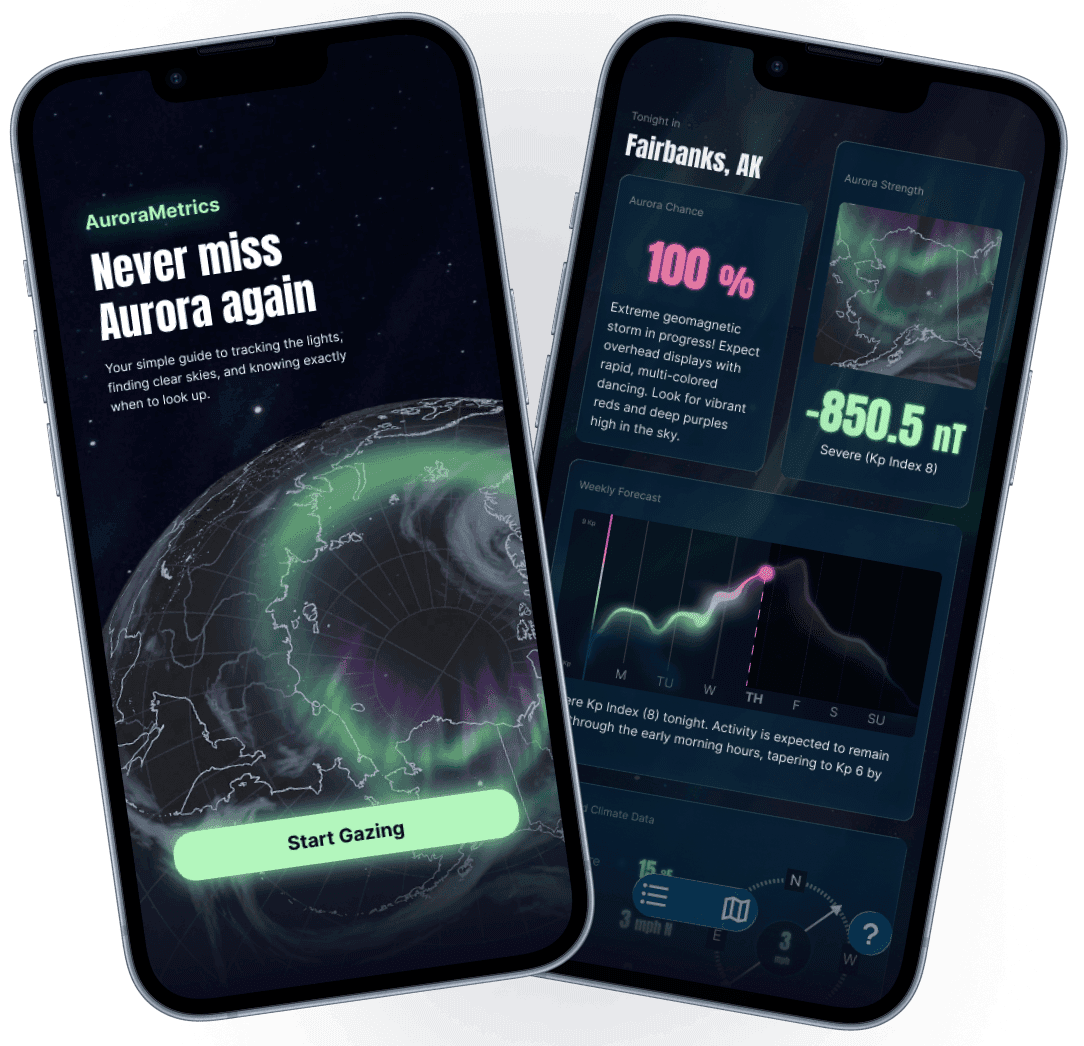
Is a mobile-first data visualization suite that simplifies dense geomagnetic metrics into an intuitive forecasting app. By reducing cognitive load, it transforms complex space weather metrics into actionable insights, helping new and seasoned aurora enthusiasts find the perfect view with confidence.
Design
Data Visualization
Research
8 Weeks
what I did
I conducted surveys and contextual inquiries with aurora chasers to identify critical market gaps and user pain points. Working closely with the Geophysical Institute, I leveraged their real-time forecasting data to ground the design in scientific accuracy. Through co-designs and iterative user testing, I honed the data visualization suite to make sure it is dark mode optimized and high-contrast for nighttime use.
Summary
AuroraMetrics
Is a mobile-first data visualization suite that simplifies dense geomagnetic metrics into an intuitive forecasting app. By reducing cognitive load, it transforms complex space weather metrics into actionable insights, helping new and seasoned aurora enthusiasts find the perfect view with confidence.
what I did
I conducted surveys and contextual inquiries with aurora chasers to identify critical market gaps and user pain points. Working closely with the Geophysical Institute, I leveraged their real-time forecasting data to ground the design in scientific accuracy. Through co-designs and iterative user testing, I honed the data visualization suite to make sure it is dark mode optimized and high-contrast for nighttime use.
Design
Data Visualization
Research
8 Weeks
solution
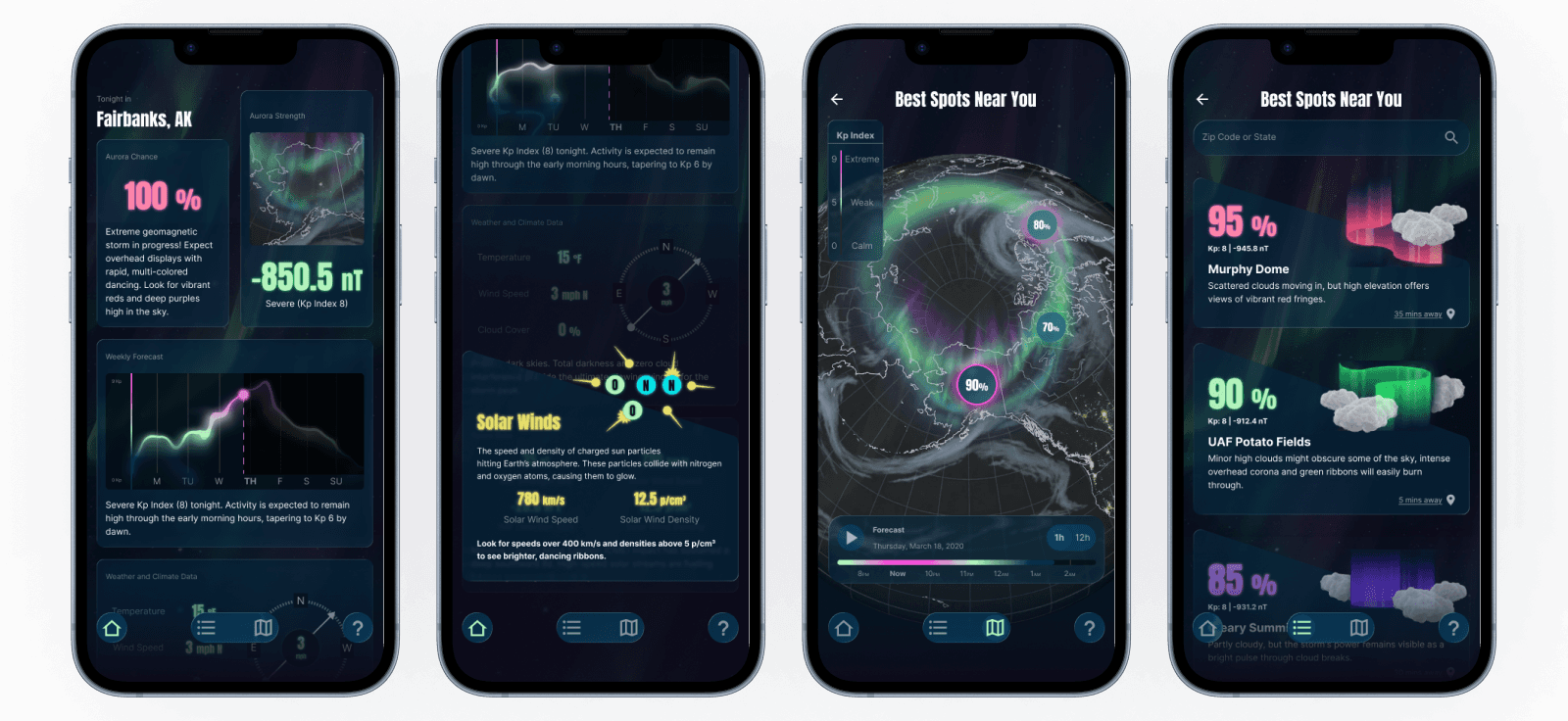
I designed a mobile-first data visualization suite that translates high-fidelity geomagnetic data into actionable insights. To reduce cognitive load for hobbyist chasers, I applied strict information architecture principles to organize dense scientific datasets.
The home screen acts as an intuitive dashboard where users can expand any metric to access deeper forecasting details, tailored viewing tips, and contextual education on how that specific data point impacts aurora visibility.
Easy to Understand Metrics
Consolidates complex space weather and local climate data into a single, easy-to-read forecasts.
Each sections features an actionable tip or space data summary that helps users find ideal watching conditions.

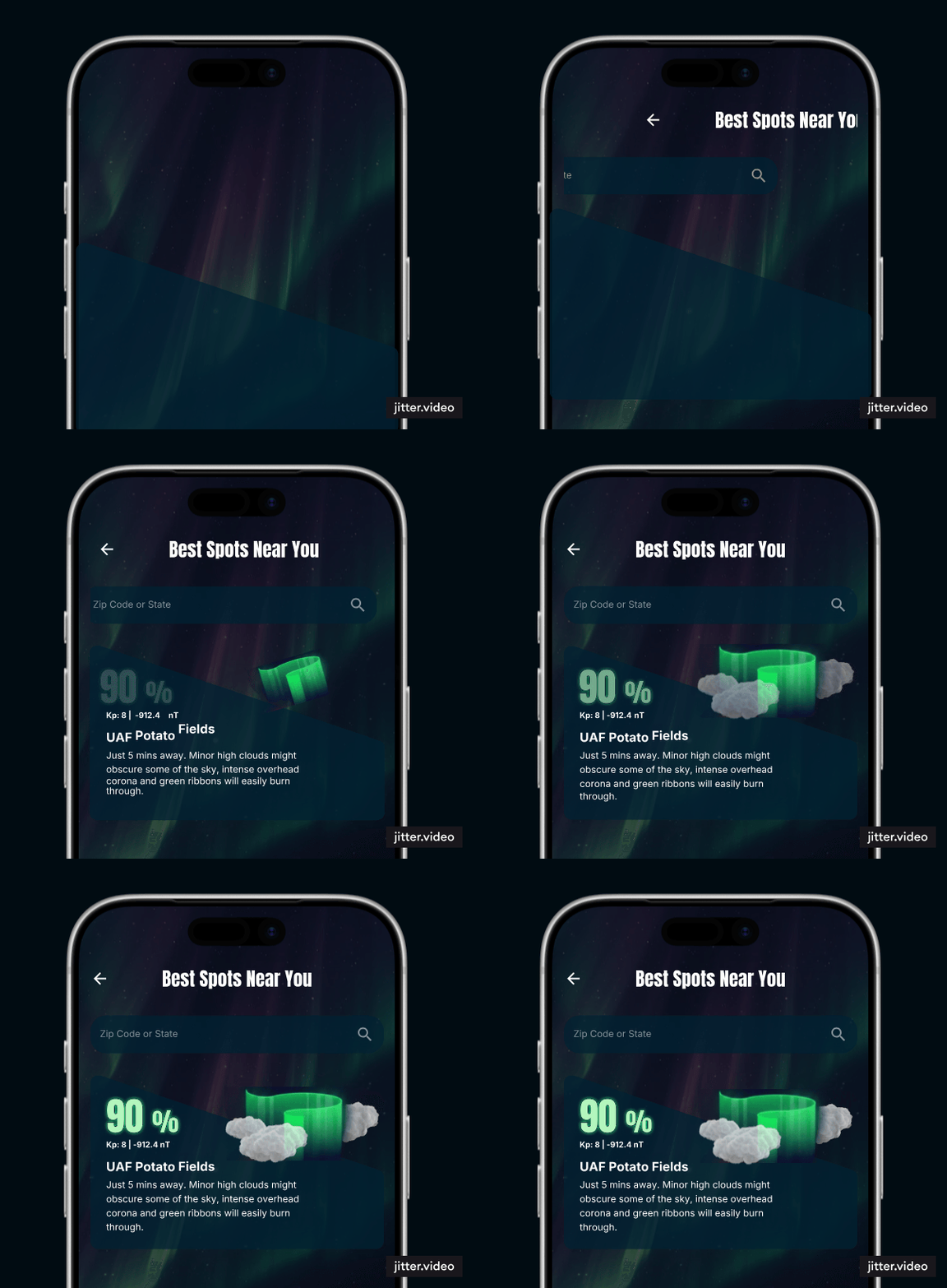
Ideal viewing locations
Integrates real-time Aurora chance, cloud cover, light pollution data into specific location cards to give users the best spots to watch the Auroras.
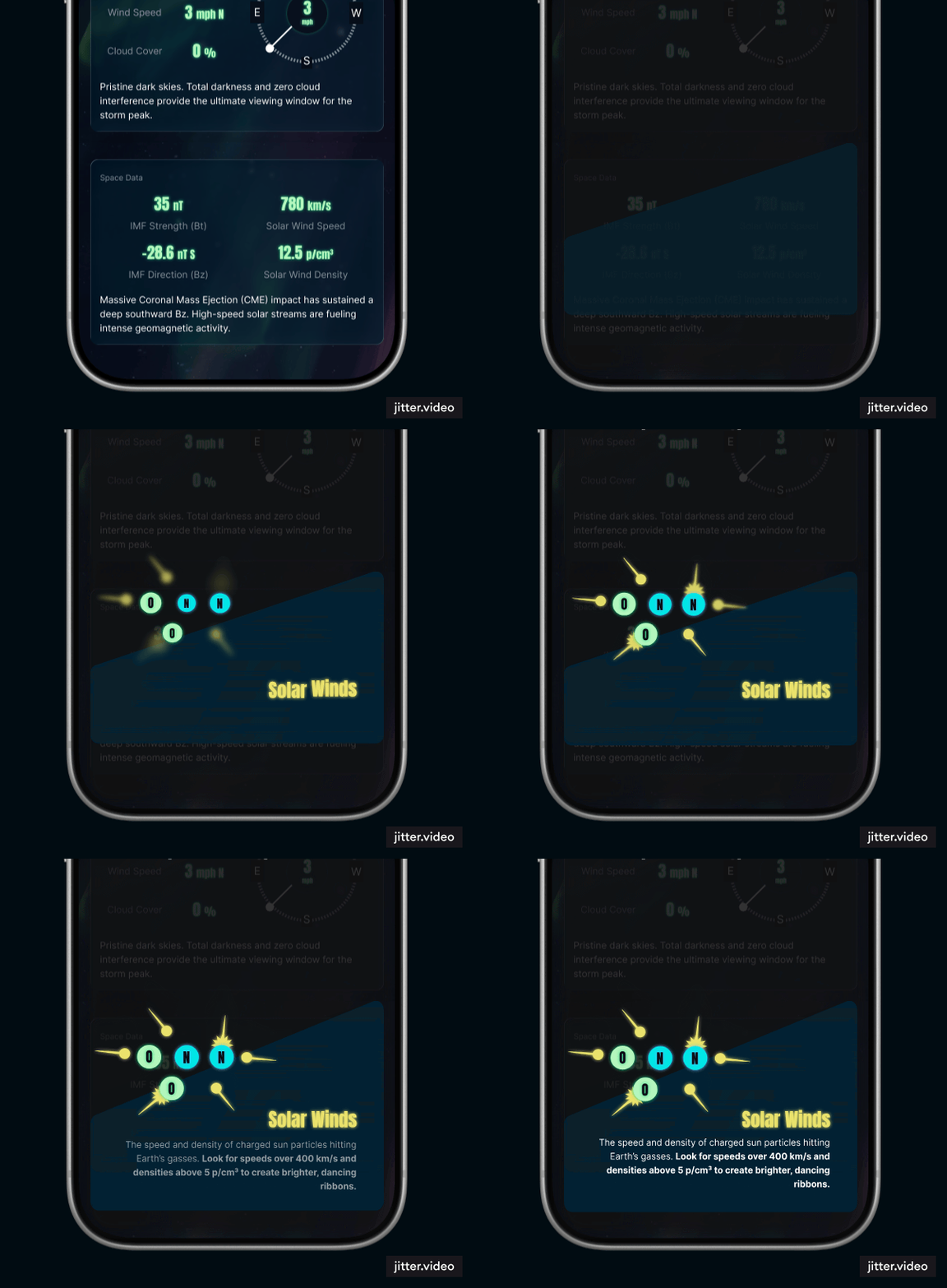
Embedded Education
Features scannable, visually engaging guides that explain the science behind the metrics (like the Kp Index and Solar Winds) directly within the user flow.
Gives users actionable tips on what ideal Aurora space metrics look like.
Summary
AuroraMetrics
Is a mobile-first data visualization suite that simplifies dense geomagnetic metrics into an intuitive forecasting app. By reducing cognitive load, it transforms complex space weather metrics into actionable insights, helping new and seasoned aurora enthusiasts find the perfect view with confidence.
Design
Data Visualization
Research
8 Weeks
what I did
I conducted surveys and contextual inquiries with aurora chasers to identify critical market gaps and user pain points. Working closely with the Geophysical Institute, I leveraged their real-time forecasting data to ground the design in scientific accuracy. Through co-designs and iterative user testing, I honed the data visualization suite to make sure it is dark mode optimized and high-contrast for nighttime use.
Summary
AuroraMetrics
Is a mobile-first data visualization suite that simplifies dense geomagnetic metrics into an intuitive forecasting app. By reducing cognitive load, it transforms complex space weather metrics into actionable insights, helping new and seasoned aurora enthusiasts find the perfect view with confidence.
what I did
I conducted surveys and contextual inquiries with aurora chasers to identify critical market gaps and user pain points. Working closely with the Geophysical Institute, I leveraged their real-time forecasting data to ground the design in scientific accuracy. Through co-designs and iterative user testing, I honed the data visualization suite to make sure it is dark mode optimized and high-contrast for nighttime use.
Design
Data Visualization
Research
8 Weeks
solution
I designed a mobile-first data visualization suite that translates high-fidelity geomagnetic data into actionable insights. To reduce cognitive load for hobbyist chasers, I applied strict information architecture principles to organize dense scientific datasets.
The home screen acts as an intuitive dashboard where users can expand any metric to access deeper forecasting details, tailored viewing tips, and contextual education on how that specific data point impacts aurora visibility.
Easy to Understand Metrics
Consolidates complex space weather and local climate data into a single, easy-to-read forecasts.
Each sections features an actionable tip or space data summary that helps users find ideal watching conditions.
Ideal viewing locations
Integrates real-time Aurora chance, cloud cover, light pollution data into specific location cards to give users the best spots to watch the Auroras.
Embedded Education
Features scannable, visually engaging guides that explain the science behind the metrics (like the Kp Index and Solar Winds) directly within the user flow.
Gives users actionable tips on what ideal Aurora space metrics look like.
Summary
AuroraMetrics
Is a mobile-first data visualization suite that simplifies dense geomagnetic metrics into an intuitive forecasting app. By reducing cognitive load, it transforms complex space weather metrics into actionable insights, helping new and seasoned aurora enthusiasts find the perfect view with confidence.
Design
Data Visualization
Research
8 Weeks
what I did
I conducted surveys and contextual inquiries with aurora chasers to identify critical market gaps and user pain points. Working closely with the Geophysical Institute, I leveraged their real-time forecasting data to ground the design in scientific accuracy. Through co-designs and iterative user testing, I honed the data visualization suite to make sure it is dark mode optimized and high-contrast for nighttime use.
Summary
AuroraMetrics
Is a mobile-first data visualization suite that simplifies dense geomagnetic metrics into an intuitive forecasting app. By reducing cognitive load, it transforms complex space weather metrics into actionable insights, helping new and seasoned aurora enthusiasts find the perfect view with confidence.
what I did
I conducted surveys and contextual inquiries with aurora chasers to identify critical market gaps and user pain points. Working closely with the Geophysical Institute, I leveraged their real-time forecasting data to ground the design in scientific accuracy. Through co-designs and iterative user testing, I honed the data visualization suite to make sure it is dark mode optimized and high-contrast for nighttime use.
Design
Data Visualization
Research
8 Weeks
solution
I designed a mobile-first data visualization suite that translates high-fidelity geomagnetic data into actionable insights. To reduce cognitive load for hobbyist chasers, I applied strict information architecture principles to organize dense scientific datasets.
The home screen acts as an intuitive dashboard where users can expand any metric to access deeper forecasting details, tailored viewing tips, and contextual education on how that specific data point impacts aurora visibility.
Easy to Understand Metrics
Consolidates complex space weather and local climate data into a single, easy-to-read forecasts.
Each sections features an actionable tip or space data summary that helps users find ideal watching conditions.
Ideal viewing locations
Integrates real-time Aurora chance, cloud cover, light pollution data into specific location cards to give users the best spots to watch the Auroras.
Embedded Education
Features scannable, visually engaging guides that explain the science behind the metrics (like the Kp Index and Solar Winds) directly within the user flow.
Gives users actionable tips on what ideal Aurora space metrics look like.